Rehman Plaza, Sanda Khurd, Bund Road, Lahore, Pakistan

Pharmaceutical & Textile

Pharmaceutical & Textile Industry — REW | Steam, Utility & Sanitary Valves Since 1948
Home/ Industries/ Pharmaceutical & Textile
REW Industries · Pharmaceutical & Textile

Steam, Utility and Process
Flow Control for Mills & Plants

Boiler House & Steam Header
Thermic Fluid Circuits
Dyeing & Finishing Lines
Purified Water & WFI Loops
HVAC & Chilled Water
ETP & Effluent Disposal
Boiler · Process · Effluent

Textiles are Pakistan's largest manufacturing sector — roughly 60% of national exports and about 40% of industrial employment — while the pharmaceutical industry runs some 750+ licensed manufacturing units supplying over 70% of the country's medicine demand. Both live on the same three services: steam, treated water and clean utilities. REW manufactures the valves, traps, strainers, hydrants, gates and pumps that carry those services — in Lahore, since 1948.
Rehman Engineering Works · Lahore, Pakistan Serving mills & process plants since 1948 ISO 9001:2015 · PSQCA Marked
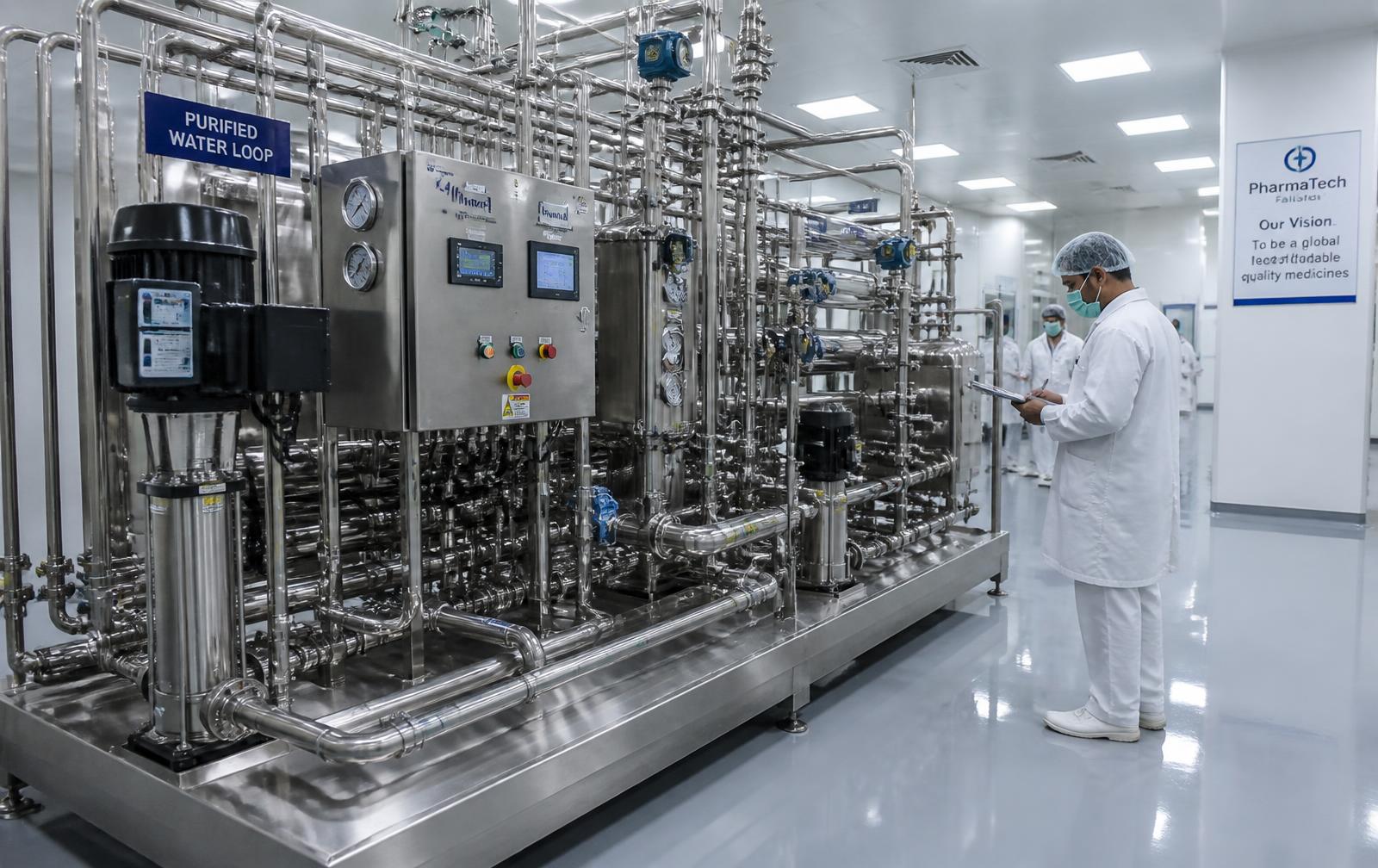
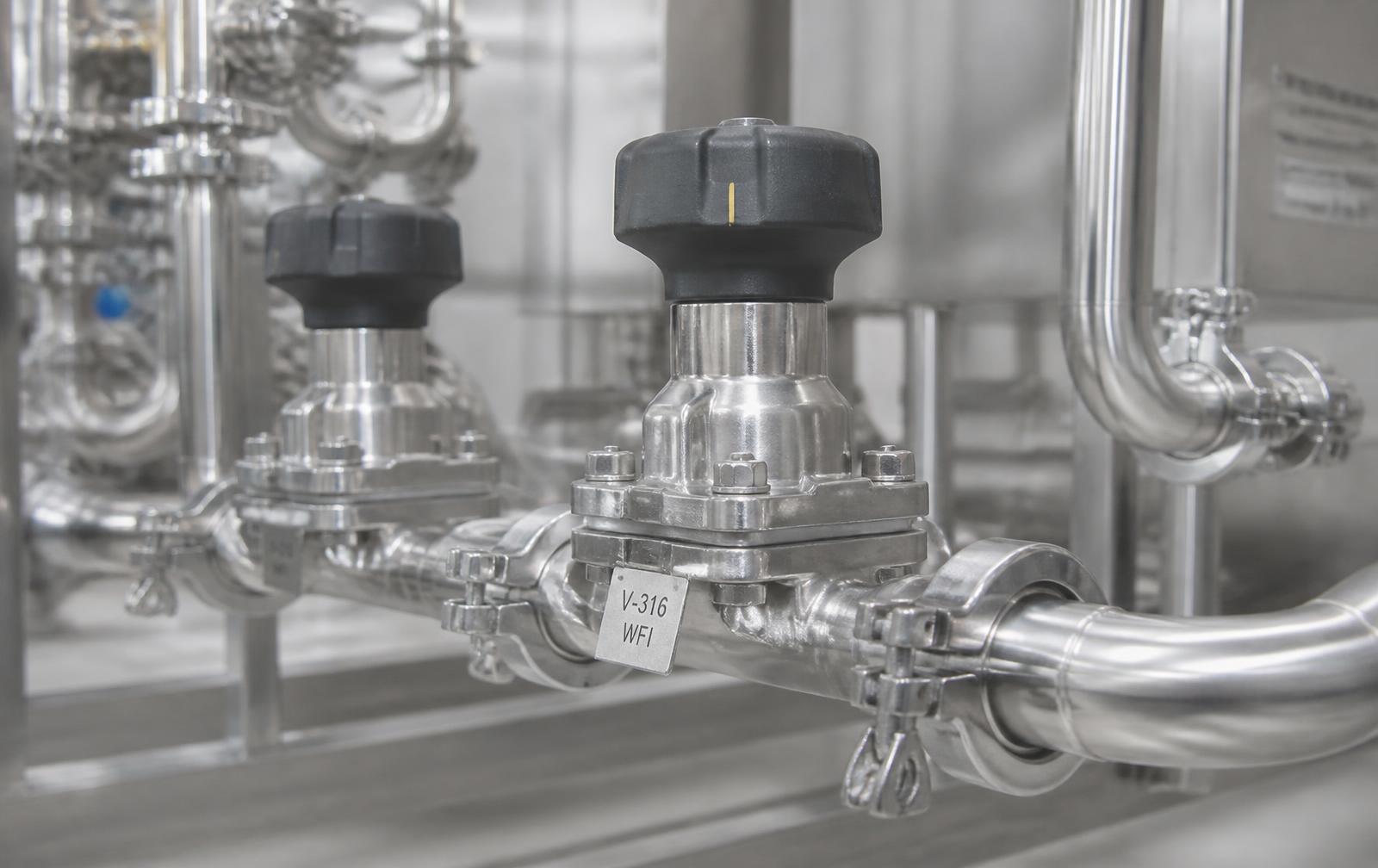
Pharmaceutical purified water loop skid with stainless steel process piping REF · PHT-2026 Purified Water Loop · Process Skid
Plant Ledger
Steam Valves, Traps & Pressure Reducing Stations
Sanitary SS 316L Diaphragm Valves & Fittings
HVAC, Chilled Water & Compressed Air Isolation
Fire Hydrant Networks & ETP Knife Gate Valves
Lahore, Pakistan · Since 1948
1948
Manufacturing Since
60%
Share of Pakistan's Exports from Textiles
750+
Licensed Pharma Units Nationwide
ISO 9001
Certified Quality System
Services · Steam · Thermic Fluid · Compressed Air · Chilled Water Standards · BS 5150/5152 · ANSI B16.34 · DIN · ASME BPE Concepts Steam Duty up to 16 bar / 250°C Sanitary SS 316L · Ra ≤ 0.8 µm Options Approved · Textile Mills · Pharma Plants · EPC Contractors Manufacturing · Lahore · Since 1948
Scroll
Industry Overview

Two Industries, One Utility Backbone

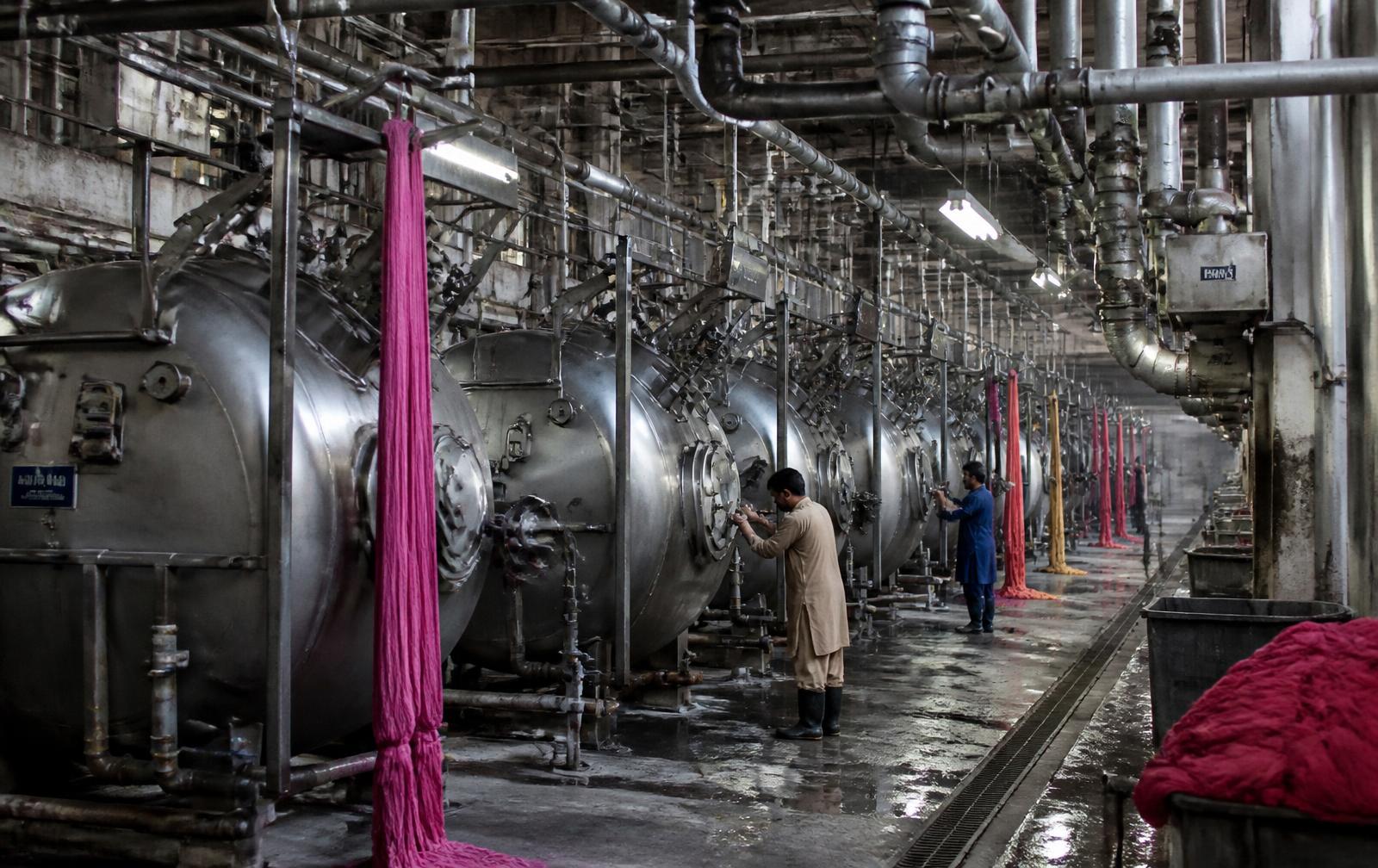
A textile mill in Faisalabad and a pharmaceutical plant in Korangi make very different products, but the engineering room behind both looks the same: a boiler house, a steam header, a water treatment train, a chilled-water plant, a compressed air ring and an effluent line. Flow control is what holds that backbone together.

Textile processing is energy and water intensive. Dyeing, bleaching, mercerising and finishing consume steam and hot water continuously; a mid-size composite unit can draw 100–200 m³ of water per tonne of fabric processed. Every kilogram of steam that leaks past a failed trap or a worn valve seat is fuel bought and thrown away — which matters when gas and furnace-oil costs decide whether an export order is profitable.

Pharmaceutical manufacturing is a compliance environment. Purified Water and Water-for-Injection loops must be drainable, dead-leg free and sanitisable; clean steam must reach the sterilising temperature at every point in the load. DRAP inspection and WHO-GMP audits look for documented, traceable components — not for equipment that merely works.

Both sectors are now judged on effluent. Provincial EPA discharge standards (NEQS) and buyer audits such as ZDHC and OEKO-TEX have made ETP performance a commercial requirement, not a formality. That puts knife gate valves, penstocks, non-clog pumps and dosing lines squarely inside the production budget.

REW's relevance to both is direct: we are a valve and flow-control manufacturer, not a trading house. Steam-duty valves, traps, strainers, hydrants, sanitary diaphragm valves, ETP gates and pumps are made and tested in Lahore, so a shutdown replacement is a truck away rather than an import cycle.
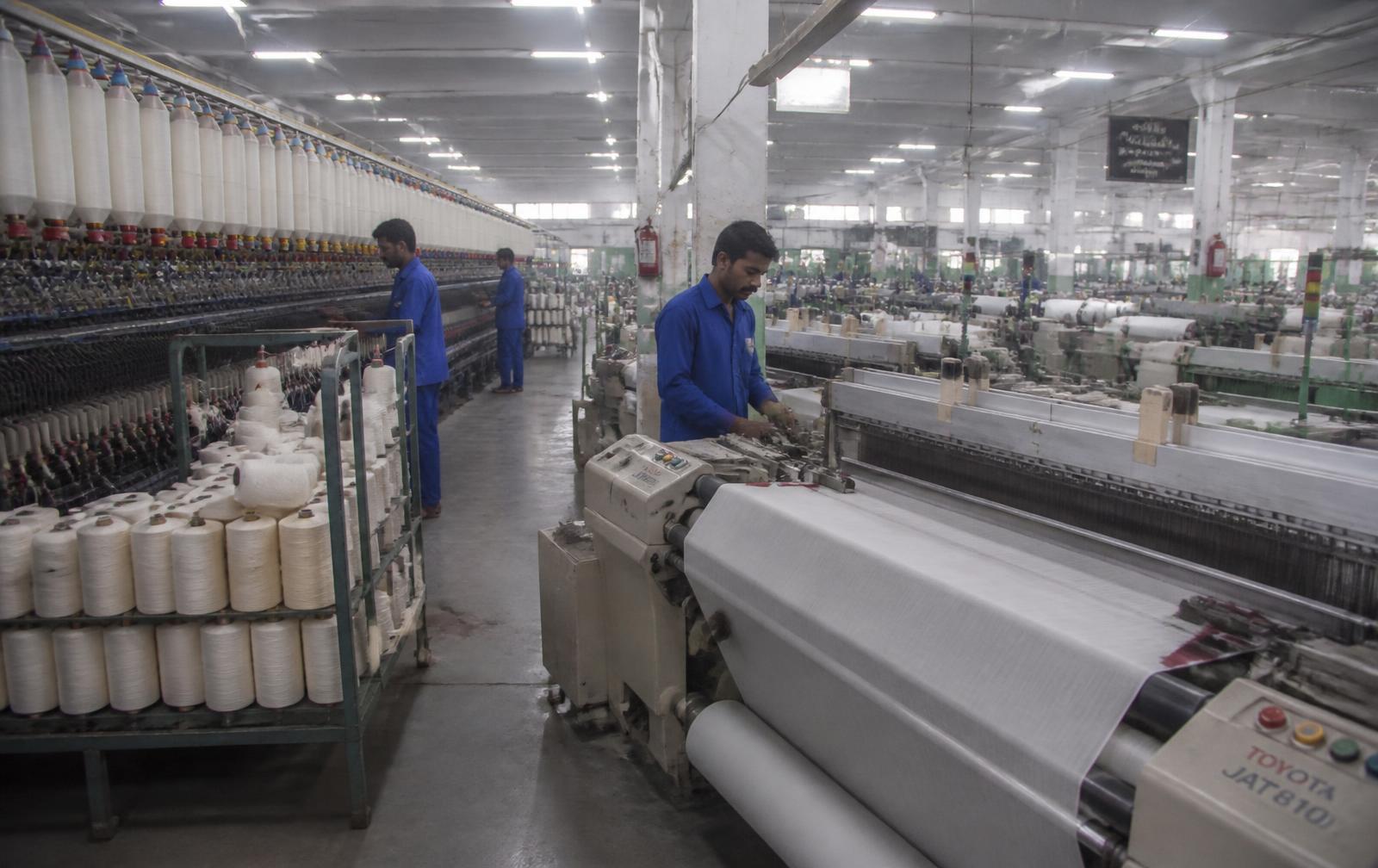
Spinning and weaving hall in a Pakistani textile mill
Fig. 1 Composite textile unit: spinning, weaving and processing under one utility system
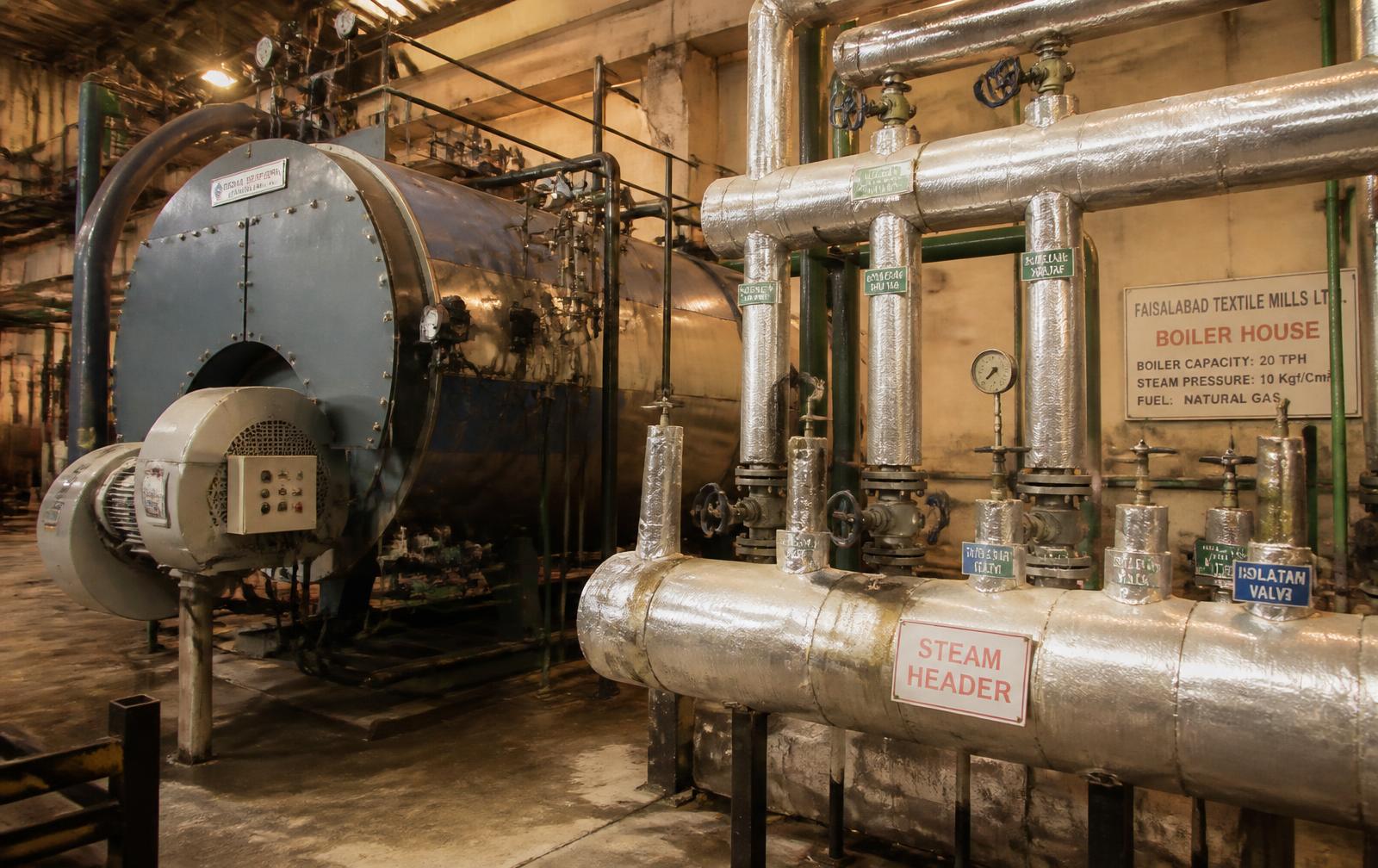
Boiler house with steam header and isolation valves in a textile mill
Fig. 2 Boiler house and steam header — where mill efficiency is won or lost
1948
Manufacturing Since
8 Circuits
Steam · Condensate · Thermic · Process · PW/WFI · HVAC · Air · ETP
100%
Valves Hydrostatically Tested
ISO 9001
Certified Quality System
System Chain

Boiler to Discharge Point

The utility and process chain of a mill or pharma plant in sequence — what each circuit is for, what it demands from equipment, and where flow control sits.

01 Stage 01

Boiler House & Steam Generation

PurposeRaise steam at the pressure and dryness the process needs, reliably through three shifts.
EngineeringSaturated steam to ~16 bar, feed-water hammer, blowdown duty, safety and fuel efficiency.
Flow ControlBoiler isolation, feed check, blowdown, safety relief, main stop valve and strainers.
Cast steel gate valvesGlobe / stop valvesFeed check valvesY-type strainers
02 Stage 02

Steam Distribution & Condensate

PurposeDeliver dry steam to every machine at the right pressure and return condensate to the hotwell.
EngineeringPressure reduction, waterlogging, air binding, thermal expansion, trap failure losses.
Flow ControlPRV stations, branch isolation, steam traps, air vents, drain and bypass valves.
Pressure reducing valvesSteam trapsIsolation valvesSeparators & strainers
03 Stage 03

Thermic Fluid & Hot Oil

PurposeCarry heat to stenters, dryers and calenders where high temperature at low pressure is required.
Engineering250–300°C service, gland leakage, thermal cycling, fire risk from any weeping joint.
Flow ControlHigh-temperature isolation, expansion tank lines, pump suction and discharge valves.
High-temp gate valvesGlobe valvesBellows / graphite packingStrainers
04 Stage 04

Wet Processing & Dyeing

PurposeBleaching, dyeing, mercerising and washing — the water and chemical heart of a textile mill.
EngineeringCaustic, acids, oxidising bleach, hot liquor, abrasion from dye particulate, frequent cycling.
Flow ControlMachine feed and drain isolation, liquor circulation, chemical dosing, steam injection.
Butterfly valvesBall & plug valvesRubber-lined valvesDiaphragm valves
05 Stage 05

Water Treatment, PW & WFI

PurposeProduce and distribute softened, RO, purified water and WFI to process points on demand.
EngineeringZero dead legs, drainability, sanitisation at 80°C+, no crevice corrosion, no elastomer shedding.
Flow ControlLoop isolation, point-of-use draw-off, sampling, tank inlet and drain valves.
SS 316L sanitary diaphragm valvesClamp fittingsSampling valvesPumps
06 Stage 06

HVAC, Chilled Water & Compressed Air

PurposeHold clean-room classification, humidity in spinning halls and instrument air pressure.
EngineeringBalancing across long headers, low leakage, condensate handling, continuous running.
Flow ControlAHU coil isolation, balancing, chiller and pump isolation, air receiver and dryer lines.
Butterfly valvesBalancing valvesNon-return valvesPot strainers
07 Stage 07

Fire Water & Safety

PurposeProtect a plant full of cotton lint, solvents and packaging with a network that works on day one.
EngineeringStandby duty for years, corrosion in stagnant lines, insurer and civil-defence inspection.
Flow ControlHydrant ring main isolation, landing valves, pump house control, sprinkler zone valves.
Fire hydrantsLanding valvesOS&Y gate valvesFire pumps
08 Stage 08

Effluent Treatment & Disposal

PurposeBring dyehouse and process effluent within NEQS limits before discharge, with records to prove it.
EngineeringSolids, sludge, pH swings, abrasion, buyer audits (ZDHC, OEKO-TEX) and EPA compliance.
Flow ControlChannel and tank isolation, sludge lines, dosing, aeration and outfall control.
Knife gate valvesPenstocks & sluice gatesNon-clog pumpsHDPE pipe & fittings
Engineering Challenges

What Actually Fails on the Plant Floor

Ten recurring failure modes in textile mills and pharmaceutical plants, and the design response each one requires.

F-01

Steam Trap Failure

A trap that fails open blows live steam to the condensate line continuously; a trap that fails closed waterlogs the machine and kills the drying rate. In a mill with hundreds of traps, an unsurveyed population typically has 15–25% failed units — an invisible, permanent fuel bill.

Response ·Correct trap type per application, strainer upstream, annual trap survey and replacement
F-02

Wire Drawing on Throttled Valves

Gate valves used to throttle steam or condensate cut a groove across the seat faces. Once wire-drawn, the valve never shuts tight again and the leak grows every month.

Response ·Globe or control valves for throttling; gate valves specified strictly on/off
F-03

Gland & Packing Leakage at Temperature

Thermic-fluid and high-temperature steam service cycles the stuffing box. Standard packing hardens, the stem scores and hot oil weeps onto lagging — the most common ignition path in a finishing department.

Response ·Graphite packing, bellows-sealed options, hardened and ground stems
F-04

Chemical Attack in the Dyehouse

Caustic soda, hydrogen peroxide, acetic acid and hot dye liquor destroy general-purpose bronze and unlined iron trim in months, first as seat leakage and then as body wall thinning.

Response ·Material selection per liquor: SS 316, rubber-lined or PTFE-seated valves
F-05

Dead Legs in Purified Water Loops

Any branch longer than roughly three pipe diameters holds water that never gets flushed or sanitised, and biofilm forms there. It is the single most common finding on a water-system audit.

Response ·Zero-dead-leg diaphragm valves at point of use, loop drainable to a low point
F-06

Rouging & Surface Contamination

Stainless surfaces in hot high-purity water develop iron-oxide rouge, which discolours the loop and eventually contaminates product contact surfaces.

Response ·SS 316L with controlled Ra finish, passivation, orbital welds, documented derouging
F-07

Water Hammer on Start-Up

Cold condensate left in a header is fired down the line when steam is admitted. The shock breaks valve bonnets, gauge glasses and gasketed joints — usually at 6 a.m. on a Monday.

Response ·Drain points and traps at every low point, slow warming-through procedure, bypass valves
F-08

Solids & Sludge Jamming ETP Valves

Ordinary gate valves in effluent service will not close once fibre, sludge and grit pack the seat pocket, so a tank cannot be isolated for cleaning.

Response ·Knife gate valves and penstocks with self-cleaning seat geometry
F-09

Cavitation & Wear in Utility Pumps

Feed, circulation and effluent pumps run off their duty point after piping changes; the result is cavitation, seal failure and impeller erosion within a season.

Response ·Duty point re-verified against actual head, NPSH margin, wear-resistant components
F-10

Untraceable Components at Audit

In pharma, a valve without a material certificate is a finding. In export textiles, a buyer audit asks the same question about the effluent line. Un-documented parts fail the paperwork, not the pressure test.

Response ·Material test certificates, heat traceability, hydro-test records issued with every order
REW Solutions

Equipment for Mill & Plant Duty

Only equipment relevant to pharmaceutical and textile service is listed. Final selection is confirmed against your line list, P&ID, medium, pressure and temperature.

Request Selection Support →
STEAMGate, Globe & Stop Valves for pharmaceutical and textile plants
Steam

Gate, Globe & Stop Valves

Cast iron, cast steel and stainless gate, globe and stop valves for boiler houses, steam headers and branch isolation — bolted bonnet, renewable seat rings and rising stems.
LocationBoiler outlet and feed lines, steam headers, machine branch isolation, thermic fluid circuits
AdvantageTight shut-off on saturated steam, renewable trim, spares available off the shelf in Lahore
ConditionsSaturated steam to project pressure; thermic fluid to 300°C with graphite packing
Never throttle a gate valve on steam — the seat wire-draws and will not reseal
TRAPSSteam Traps, Separators & Strainers for pharmaceutical and textile plants
Condensate

Steam Traps, Separators & Strainers

Thermodynamic, ball-float and inverted-bucket steam traps with upstream Y-type strainers and separators, selected against the condensate load of each machine rather than the pipe size.
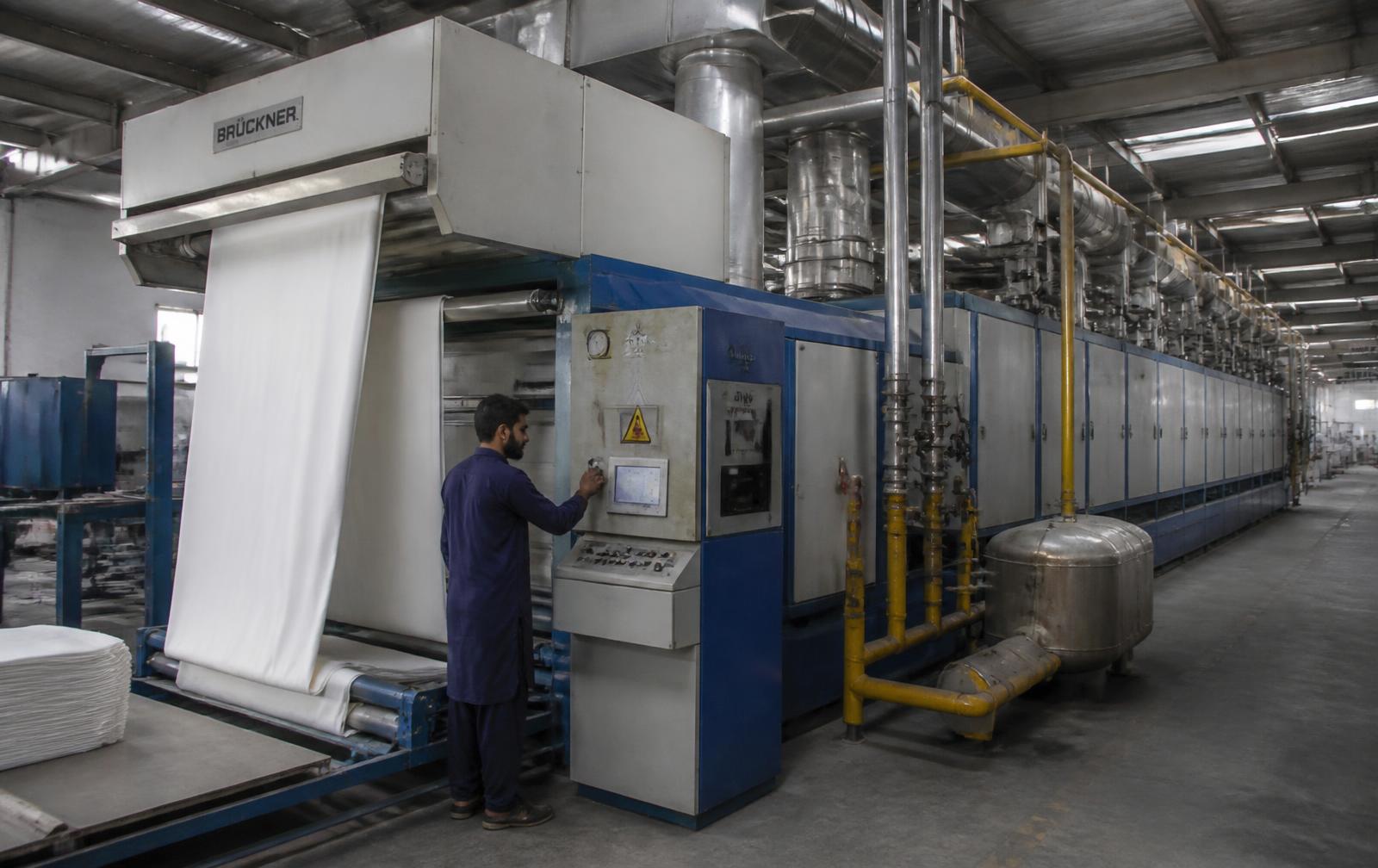
LocationStenters, dryers, calenders, jiggers, autoclaves, jacketed vessels, header drip legs
AdvantageRemoves condensate without passing live steam — the highest-return item in any mill survey
ConditionsContinuous cyclic duty with dirty condensate; strainer screen sized for the trap
Size on condensate load and back pressure, not on the diameter of the existing line
PRESSUREPressure Reducing & Safety Valves for pharmaceutical and textile plants
Regulation

Pressure Reducing & Safety Valves

Direct-acting and pilot-operated pressure reducing stations with safety relief protection downstream, so each department gets steam at its own working pressure from one boiler.
LocationPRV stations feeding dyeing, finishing, sterilising and HVAC heating circuits
AdvantageStable downstream pressure under swinging load; protects machines rated below header pressure
ConditionsReduction from header pressure to process pressure; relief sized for full failure flow
Always fit a relief valve downstream of a PRV — set below the equipment rating
SANITARYSanitary Diaphragm & Clamp Fittings for pharmaceutical and textile plants
Hygienic

Sanitary Diaphragm & Clamp Fittings

SS 316L diaphragm valves, tri-clamp fittings and point-of-use assemblies for Purified Water, WFI and clean steam loops, with EPDM or PTFE diaphragms and controlled internal finish.
LocationPW / WFI distribution loops, point-of-use draw-offs, tank inlets, sampling and AIP lines
AdvantageZero dead leg, fully drainable, crevice-free and sanitisable at loop temperature
ConditionsHot water sanitisation and clean steam service; smooth internal finish to specification
Specify diaphragm material and Ra finish in the enquiry — they drive the whole assembly
UTILITYButterfly, Check & Balancing Valves for pharmaceutical and textile plants
Utility

Butterfly, Check & Balancing Valves

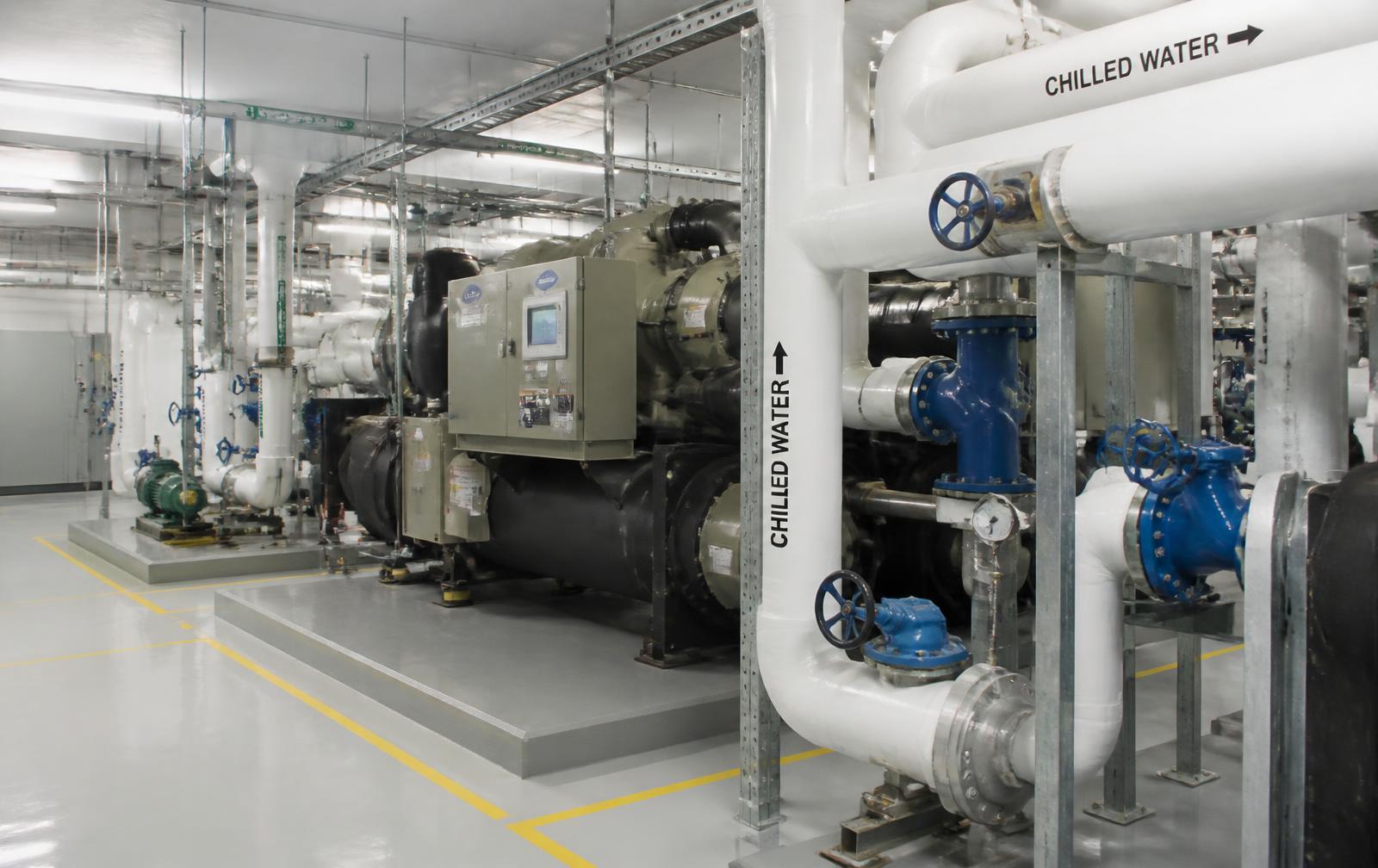
Wafer and lugged butterfly valves, non-return valves, balancing valves and pot strainers for chilled water, cooling towers, compressed air and general water service.
LocationChiller and AHU circuits, cooling water headers, pump manifolds, compressed air rings
AdvantageCompact, quick-acting isolation with low head loss; gear-operated above 200 mm
ConditionsChilled and cooling water, compressed air; EPDM or NBR liners per medium
Balance the circuit at commissioning — an unbalanced header starves the far AHU
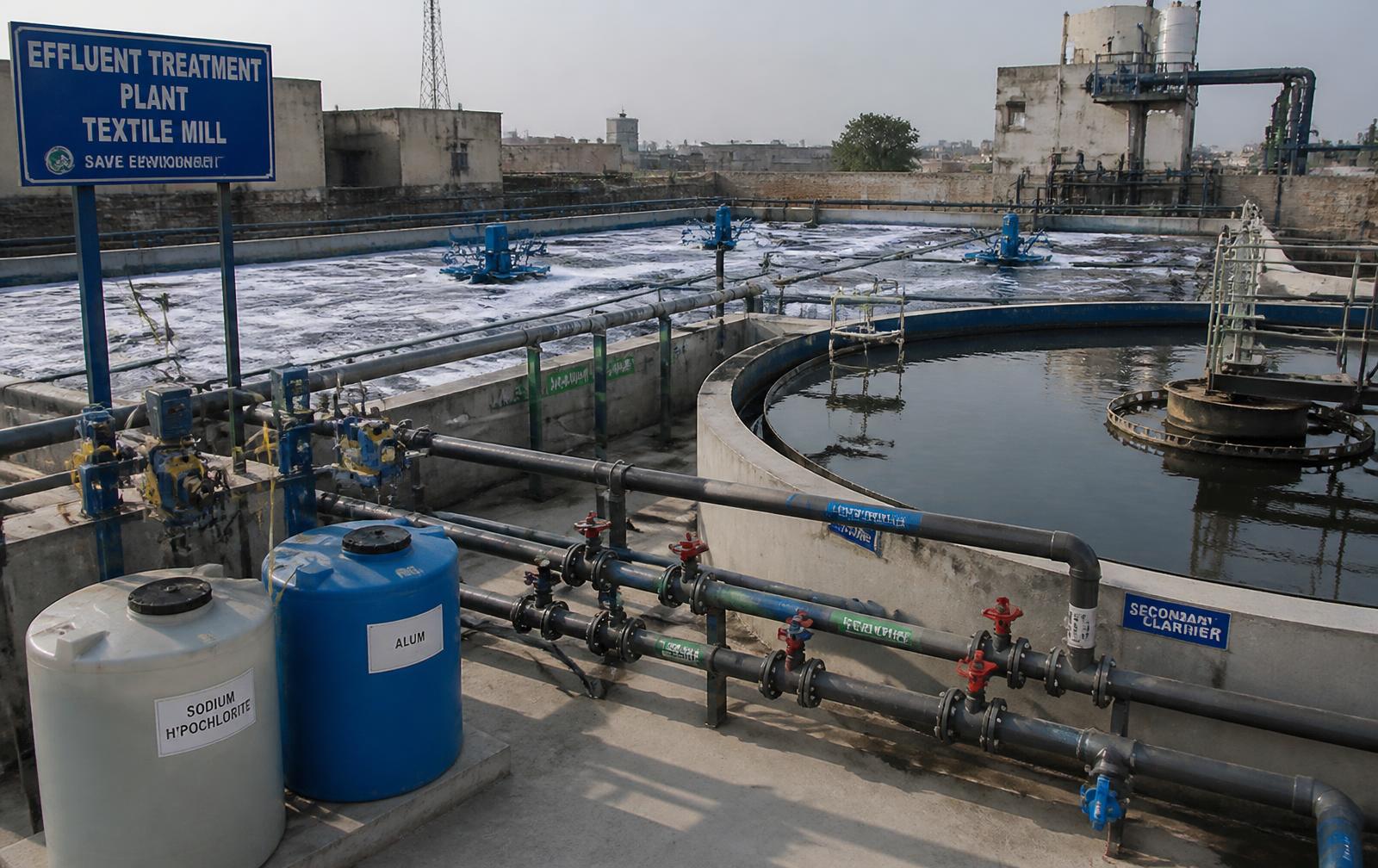
EFFLUENTKnife Gate Valves, Penstocks & Pumps for pharmaceutical and textile plants
Environment

Knife Gate Valves, Penstocks & Pumps

Knife gate valves, fabricated penstocks and sluice gates, non-clog and dewatering pumps, HDPE pipe and fittings for effluent treatment plants and sludge handling.

LocationETP tanks and channels, sludge lines, dosing stations, equalisation and outfall structures
AdvantageShears through fibre and sludge to close; rebuildable in place with standard spares
ConditionsAbrasive, chemically variable effluent; pH swings across the treatment train
Ordinary gate valves will not close in sludge service — specify knife gate from the start
Application Map

Where Each Product Is Installed

Hover a node on the schematic to see the equipment installed at that point in the plant utility chain.

Flow →
Boiler House
Utility · Stage 01
Steam & Thermal

Gate, globe and stop valves, traps, separators and pressure reducing stations.

Water & Hygienic

Sanitary diaphragm valves, clamp fittings and treated-water isolation.

Safety & Protection

Safety relief valves, non-return valves, fire hydrants and landing valves.

Effluent & Solids

Knife gate valves, penstocks, strainers and non-clog pumps.

Technical Reference

Pharma & Textile Specification Sheet

Reference data for project, maintenance and procurement teams. Project-specific values are confirmed at quotation stage against your line list and BOQ.

Pharmaceutical & Textile Equipment · Reference Data DOC · PHT-REF-2026
Product ScopeGate, globe, check, butterfly, ball, plug, diaphragm, pressure reducing, air release and safety valves; steam traps, strainers, fire hydrants, knife gate valves, penstocks, MS/CI/HDPE pipe, pumps and spares
Sectors ServedComposite textile mills · spinning, weaving, dyeing, printing and finishing units · pharmaceutical formulation and API plants · nutraceutical, cosmetic and food-grade facilities
Circuits CoveredSteam and condensate · thermic fluid · process and dye liquor · soft, RO, purified water and WFI · chilled water and HVAC · compressed air · fire water · effluent and sludge
Size Range15 mm (½") up to 2500 mm (100") depending on valve type and application
Pressure ClassPN 10 / PN 16 / PN 25 / PN 40; ANSI 125 / 150 / 300 lb; higher classes to order
Temperature RangeAmbient to 250°C on saturated steam duty; to 300°C on thermic fluid with graphite packing
Body MaterialsCast iron, ductile iron, cast carbon steel (WCB), bronze, stainless steel 304 / 316 / 316L
Hygienic MaterialsSS 316L product contact, EPDM / PTFE diaphragms, tri-clamp ends, internal finish to specification
Trim & SeatStainless steel, bronze, stellited seats, PTFE and EPDM soft seats, rubber-lined bodies for dye liquor
End ConnectionsFlanged to BS 4504 / ANSI B16.5 / DIN, screwed BSP/NPT, butt-weld, socket-weld and sanitary clamp
Design ReferencesBS 5150 / BS 5152 / BS 1873, ANSI B16.34, API 600 concepts, DIN, ASME BPE principles for hygienic lines
Steam TrapsThermodynamic, ball-float and inverted-bucket types, selected against condensate load and back pressure
PumpsBoiler feed, process, chilled water circulation, non-clog effluent and dewatering pumps matched to duty point and NPSH
TestingHydrostatic shell and seat testing on every valve, functional test on traps and PRVs, performance test on pumps
Surface ProtectionShop primer and enamel, epoxy systems, hot-dip galvanising, or electro-polished stainless for hygienic service
DocumentationMaterial test certificates, hydro-test records, dimensional reports, GA drawings, O&M and spare parts lists
CertificationISO 9001:2015 quality management system; PSQCA marked products where applicable
Manufacturing OriginLahore, Pakistan — Rehman Engineering Works, established 1948
Company Profile

Rehman Engineering Works — and Why It Fits This Industry

A manufacturer, not an importer. Below is the company on record, followed by the direct relevance of each capability to a mill or pharmaceutical plant.

Company Profile · Rehman Engineering Works EST · 1948 · LAHORE
Established1948 — three generations of continuous manufacturing in Lahore
Legal NameRehman Engineering Works · Engineers, Manufacturers & Contractors
FacilityRehman Plaza, Sanda Khurd, Bund Road, Lahore, Pakistan — foundry-supported machining, fabrication, assembly and test bays
Core CapabilityDesign and manufacture of industrial valves and flow-control equipment in all types up to 100" diameter
Standards Worked ToBSS, ANSI and DIN standards, plus client and consultant project specifications
Quality SystemISO 9001:2015 · ISO 14001:2015 · ISO 45001:2018 · PSQCA product marking
Approvals & EnlistmentEngineer-in-Chief Branch enlistment, WASA Lahore approval, supplier to government utilities, DHA and the armed forces
Sectors Served40+ industrial sectors nationwide including oil & gas, power, water, irrigation, sugar, chemicals, pharmaceutical and textiles
Special CapabilityReverse engineering and manufacture of obsolete or imported valves from a sample or site survey
CommercialDirect manufacturer pricing in PKR, no import cycle, no LC delay, delivery nationwide from Lahore
79+
Years of Continuous Manufacturing
100"
Maximum Valve Diameter Produced
40+
Industrial Sectors Served
3
ISO Management Systems Certified
Manufacturing

A Valve Is Only as Good as Its Seat and Its Certificate

A steam valve on a dyehouse header is opened and closed thousands of times and is expected to still shut tight years later. Whether it does is decided in the casting, the seat machining and the test bay — and proved by the record that ships with it.

01

Enquiry & Selection

Medium, pressure, temperature, line size, end connection and duty cycle converted into a specific valve, trap or pump selection with the reasoning stated.

02

Drawing & Approval

General arrangement and material specification issued for client or consultant approval before any material is committed.

03

Casting & Material Control

Bodies and bonnets cast or forged to the approved grade; heat numbers and mill certificates recorded against the job number.

04

Machining

Seat, bore, flange face and stem bore machined on dedicated setups so trim seats concentric and the flange face runs true.

05

Trim, Seat & Assembly

Seat rings, discs, stems, packing and diaphragms fitted; hygienic assemblies handled separately from general workshop flow.

06

Hydrostatic Testing

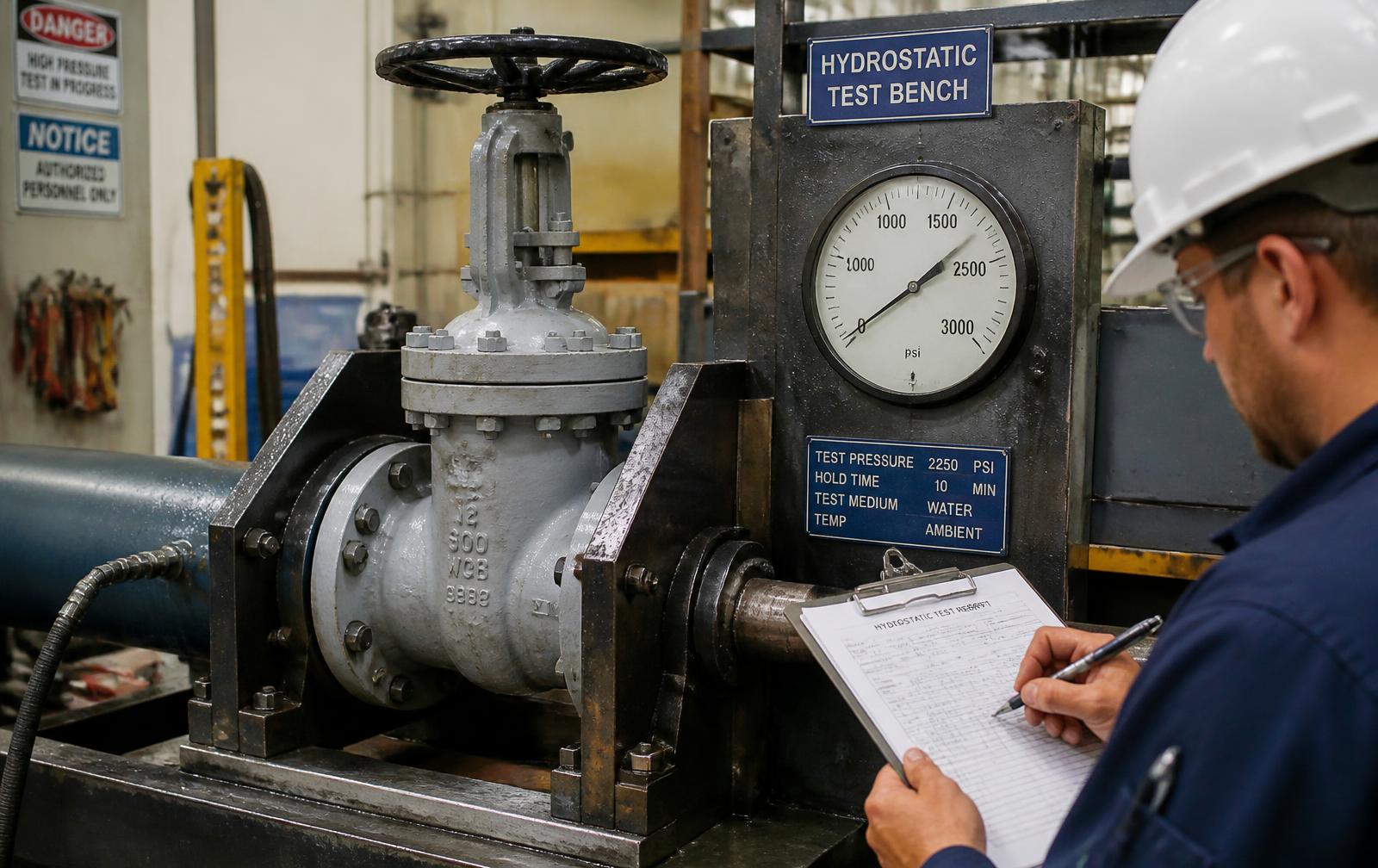
Shell and seat tested to the applicable standard; traps and PRVs functionally tested; results recorded on the job card.

07

Finishing, Marking & Dispatch

Painting or electro-polishing, tagging to the client line number, packing with certificates, O&M sheets and spare parts list.
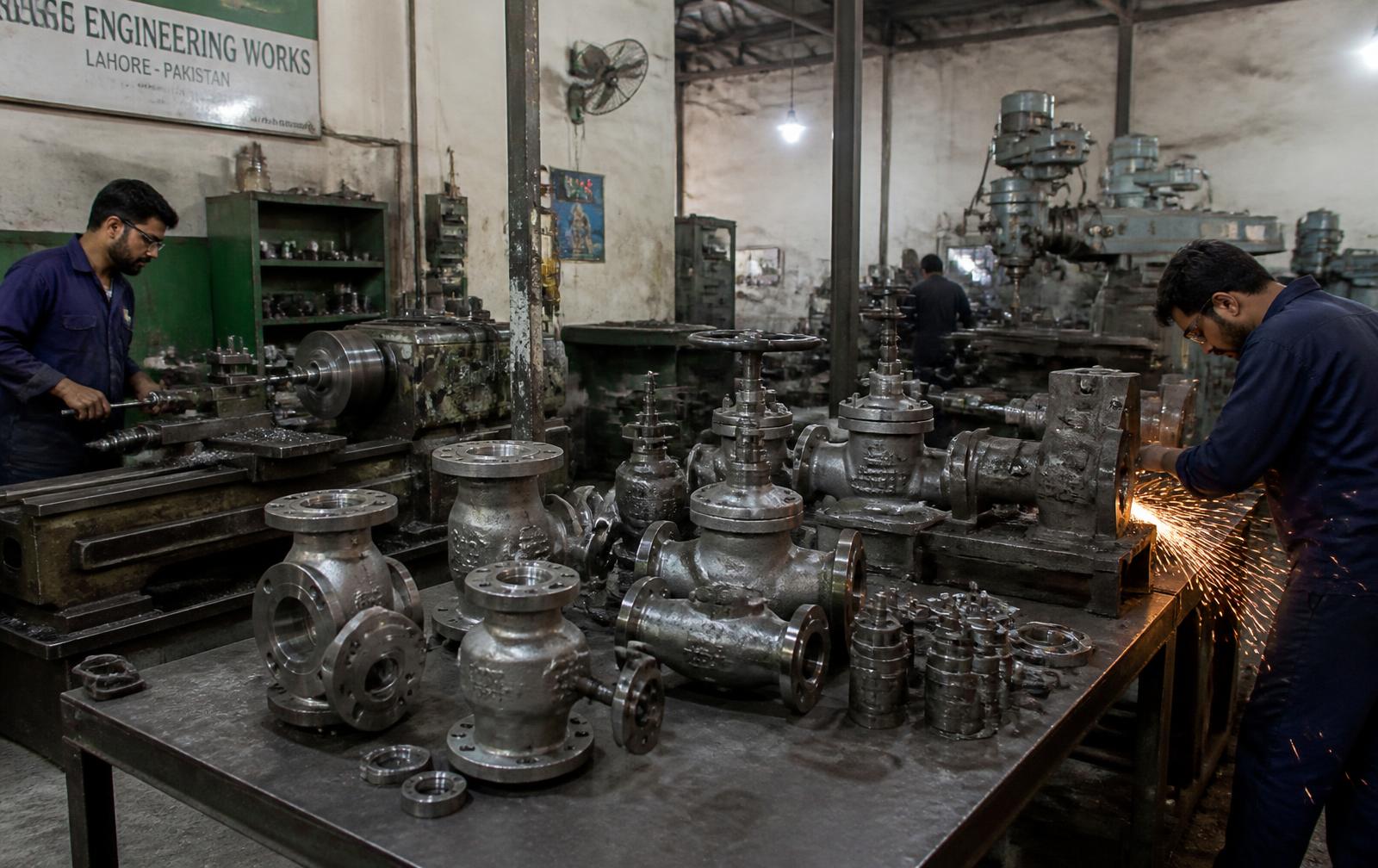
Machining and assembly of industrial valve bodies in the Lahore workshop
Workshop · LHR Valve bodies in machining, trim fitting and assembly
Quality Assurance

Proven Before It Reaches Your Line

Inspection is built into the route card, not added at the end. Each stage has a hold point, and nothing is released without its record — the same record your auditor will ask for.

Hold Point 1

Drawing & Material Approval

Valve type, body material, trim and end connection confirmed against the line list before production.

Hold Point 2

Incoming Material

Castings, forgings, bar stock and diaphragms verified against mill certificates and heat numbers.

Hold Point 3

Machining Inspection

Seat concentricity, bore, face-to-face and flange drilling checked against the approved drawing.

Hold Point 4

Assembly Check

Trim fit, stem travel, packing compression and operating torque recorded for each valve.

Hold Point 5

Hydrostatic Test

Shell and seat pressure tests to the applicable standard; functional test on traps and PRVs.

Hold Point 6

Finish & Documentation

Coating or surface finish verified, tagging checked, certificates issued with dispatch.

QA · TEST BAY Hydrostatic test bench with a gate valve under pressure and test record being filled
Hydrostatic Shell & Seat Test · Pressure Hold
Relevance to Your Plant

Six Practical Reasons

01

Shutdown Speed, Not Import Lead Time

A textile mill plans one annual shutdown; a pharma plant schedules its maintenance window around a validation calendar. Manufacturing in Lahore means a replacement gate valve, trap or knife gate ships in days, without an LC, a bank approval or a customs clearance.

02

Steam Is Our Native Territory

REW has supplied steam valves, traps and strainers to sugar mills, textile processing units and power plants for decades. The failure modes in a dyehouse header are the same ones we already design against — wire drawing, waterlogging, gland leakage and hammer.

03

One Supplier Across Every Circuit

Steam, thermic fluid, chilled water, compressed air, fire water and effluent are usually bought from six different vendors. REW covers all six from one product range, which means one line list, one inspection visit and one documentation set.

04

Documentation That Survives an Audit

Material test certificates, hydro-test records and dimensional reports are issued as standard. For DRAP, WHO-GMP and buyer social/environmental audits, the paperwork matters as much as the part.

05

Reverse Engineering of Imported Parts

Most Pakistani mills run imported European machinery whose original valves are no longer stocked. From a worn sample or a site survey we manufacture a dimensional match — usually in a better material than the original.

06

Engineering Answers, Not a Price List

Send the medium, pressure, temperature and line size and you get a selection recommendation with the reason behind it. Where the right answer is a smaller or cheaper valve than the one you asked for, we say so.

Technical FAQ

Engineering Questions

Questions most often raised by mill engineers, pharmaceutical project teams, consultants and EPC contractors.

A gate valve is designed to be fully open or fully closed. Partially open, the high-velocity steam passing the narrow gap cuts a groove across the seat and disc faces — wire drawing. Once that groove exists the valve can never shut tight again. Use a globe valve or a control valve for any regulating duty, and keep gate valves strictly on/off.
Trap populations that have not been surveyed for several years typically show 15–25% failures, and a failed-open trap on a header can pass steam continuously for months without anyone noticing. Because the loss is fuel — gas, furnace oil or coal — the payback on replacing failed traps in a processing mill is usually measured in weeks, not years.
A dead leg is any branch off a water loop where flow stagnates — commonly taken as a branch longer than about three times its diameter. Stagnant purified water forms biofilm that survives normal sanitisation and reseeds the loop. Zero-dead-leg diaphragm valves mounted tight to the loop with the point of use drainable are the standard answer.
It depends on the liquor. For hot caustic and bleach, PTFE-seated or SS 316 trim; for abrasive dye particulate, rubber-lined butterfly or diaphragm valves; for acid dosing, plastic-lined or diaphragm valves. State the chemical, concentration and temperature in the enquiry — the same nominal valve in the wrong material fails within a season.
Plant steam comes from the boiler with treatment chemicals and carryover, and is used for indirect heating through jackets and coils. Clean steam is generated from purified water in a dedicated generator with stainless wetted parts, and contacts product or product-contact surfaces — sterilising autoclaves, for example. The valve materials, finishes and documentation differ accordingly.
Yes — SS 316L diaphragm valves, clamp fittings, sampling valves and point-of-use assemblies with EPDM or PTFE diaphragms. Specify the loop temperature, sanitisation method, required internal surface finish and whether the installation must be orbital-welded, since these determine the assembly and the documentation package.
Condensate that has collected in a cold header is accelerated by incoming steam and slams into the first bend or closed valve. It breaks bonnets, gauges and gasketed joints. Prevention is procedural and mechanical: drip legs with traps at every low point and ahead of every control valve, plus a slow warming-through of the header before full admission.
Fibre, grit and sludge collect in the seat pocket of a conventional gate valve, so the gate cannot travel the final few millimetres and the valve never closes. A knife gate valve shears through the solids and seats on a clean face, which is why it is standard for sludge, effluent and slurry service.
Thermic fluid (hot oil) carries heat at 250–300°C at near-atmospheric pressure, avoiding the high-pressure steam a stenter or dryer would otherwise need. It demands valves with graphite or bellows-sealed stem packing, because any weeping joint drips hot oil onto lagging — the most common fire scenario in a finishing department.
On the condensate load of the equipment at start-up and at running load, and on the differential pressure across the trap — never on the size of the pipe it will fit into. Undersized traps waterlog the machine; oversized traps cycle badly and wear out. Provide the machine type, steam pressure and back pressure and the selection follows from there.
Yes. Fire hydrants, landing valves, OS&Y gate valves, non-return valves and pump-house valves for hydrant ring mains around spinning, weaving, warehousing and packaging areas — the areas where lint and packaging give any fire a rapid start.
Auditors ask for material traceability, appropriate contact-surface specification and test documentation — not for a country of origin. Where a certificate, material grade or surface finish is required, it is specified in the order and issued with the goods. That is the same expectation an imported item has to meet.
Medium, operating pressure and temperature, line size, end connection and rating, valve function (isolate, regulate, non-return), body and trim material preference or the process chemistry, quantity, and any inspection or documentation requirement. A line list or P&ID extract answers most of these at once.
Yes — reverse engineering is routine work. A worn sample, or a dimensional survey where the part cannot be removed, is enough to produce a manufacturing drawing for approval. Where the original material was the reason it failed, we will propose an upgrade rather than reproduce the weakness.
Standard valve sizes held or in regular production ship quickly; made-to-order items and larger diameters are scheduled against the approved drawing. Because manufacturing is in Lahore, an urgent shutdown requirement can usually be prioritised — which is the practical difference from an imported equivalent.
Project Enquiry

Send Us the Line List

Share your P&ID, line list, BOQ or simply the medium, pressure, temperature and size, and our engineering team will confirm valve type, materials, trim, end connections and testing scope. For a replacement, a photograph of the nameplate or the worn part is usually enough to begin.

Direct Lines

Route your enquiry to the right desk and you will get an engineering answer, not a sales script.

Enquiries

Valve, trap and pump selection, material queries, technical clarifications

Procurement

BOQ rates, budgetary and firm quotations, delivery to plant, documentation scope

Shutdown & Spares

Trap surveys, seat and trim kits, reverse engineering of imported valves

Facility · Rehman Engineering Works
Lahore, Pakistan · Manufacturing since 1948
Your details are only used to respond to this enquiry.